


|
|
|
|
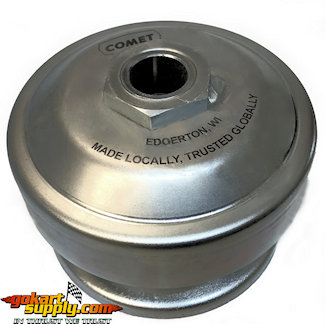
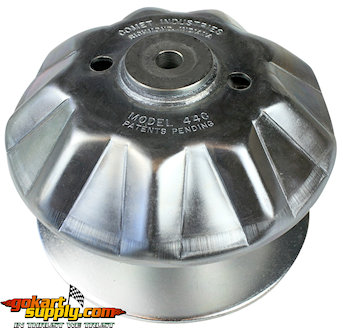
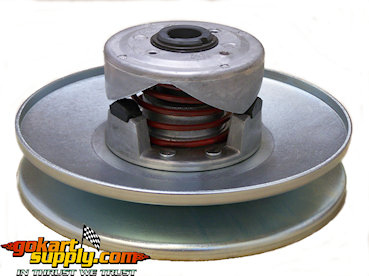
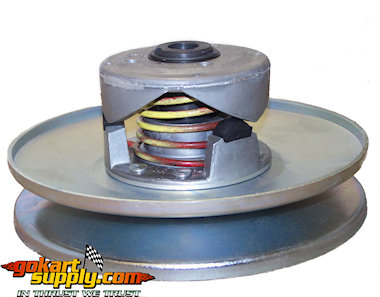
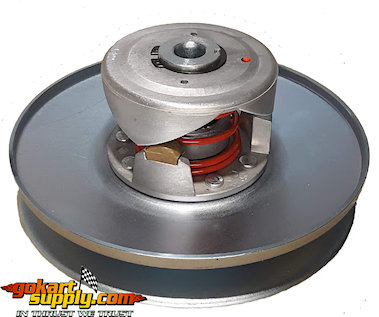
Genuine Comet 40 Series Torque Converters and Comet 44 Series Torque Converters for 8 to 18 Horsepower applications using a 7/8" Top Width Symmetric Belt. Comet Clutches, Comet Springs, Buttons and Weights. Comet 40 Series Clutch Parts. Comet Industries - Made in the USA. Comet 203015A - Comet 209418A.
 |
 | ||||||||||||
 |
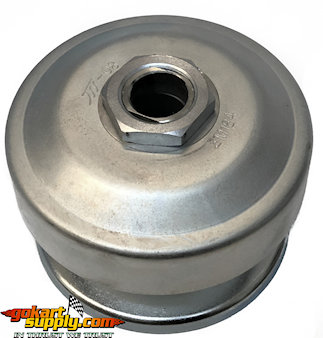 | ||||||||||||||||
Comet 40 Series Torque Converters use a Symmetric, 7/8" Top Width Drive Belt. Installation requires an engine crankshaft with a 1/4" keyway and a tapped end. Use a bolt long enough to engage the threads at least 2 1/2 times the bolt diameter. Clutch Engagement: Minimum 1600 RPM - Maximum 3100 RPM. Comet 40 Series Drive Clutches were used on Adult Sized Manco Dingo Go Karts, Masters of Motion Go Karts, Brister's Thunder Karts, Ken-Bar Streaker Go Karts, Carter Brothers Go Karts, Murray Go Karts, Road Boss Go Karts, Kartco Go Karts and many others.
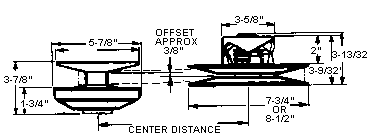
Comet 40 Series and Comet 44 Series are Mid Range Torque Converter Components for 8 to 18 horsepower applications. The 40 Series Driver Clutch fits 1" engine crankshafts with a 1/4" keyway. The 44 Series Driver Clutch is available for 3/4" crankshafts with a 3/16" keyway and 1" crankshafts with a 1/4" keyway. The Driver Clutch drives the system. The Driven Pulley mounts on a keyed, secondary shaft, usually a keyed Jackshaft or Differential. Driven Pulleys are available in 5/8", 3/4" and 7/8" bore. The Driven Pulley is driven by the Driver. These components are designed to use Symmetric, 7/8" top width drive belts. The Symmetric Driven Pulleys mount Inboard, with the Tension Spring facing the engine. Both models were designed for recreational vehicles such as Go Karts, Mini Bikes, ATV's, LTV's and Economy Transportation Vehicles. In short, wherever there's a need for a torque sensitive drive system that's infinitely variable from it's low to high range. How does a Comet Torque Converter work? The driver clutch is activated by centrifugal force from the engine crankshaft. The moveable sheave of the clutch is forced in as the RPM of the engine is increased. This contacts the drive belt. The drive belt will then be forced to a larger diameter within the clutch sheaves, thus pulling it to a smaller diameter within the driven unit sheaves. The moveable sheave of the driven unit is forced out, allowing the belt to seek it's smaller, high speed ratio diameter. As this happens, the speed from the engine is transferred and the final drive is increased. Torque Converters that use a belt and a chain are required for go karts with tires taller than 15".
IMPORTANT - The Torque Converter DRIVER CLUTCH MUST NOT FLOAT on the engine crankshaft. It must be bolted tight against the engine crankshaft shoulder. Recommended Torque for bolt - 24 ft. lbs. to 30 ft. lbs. Max.
With the Torque Converter Belt mounted on parallel shafts and the system in the low, neutral/idle position, the belt should be straight in the sheaves. The belt, when straight in the sheaves, should also be square to the engine crankshaft and jackshaft. The center line of crankshaft and the jackshaft must be parallel at all times.
Inspect the torque converter on a regular basis for dirt, frayed belts and any other potential problem obvious from a visual inspection. Always service units before each season. Maximum service interval recommended is each 50 hours of operation. The Driver Clutch and Driven Pulley should be parallel. Friction faces must be smooth and free of dirt, corrosion, oil or grease. Belt must be dry, straight, and free of cracks, breaks and uneven wear. Operating the vehicle in a dusty environment will require more frequent servicing. Indicators of a torque converter system requiring cleaning and lubrication are erratic or jerky engagement upon acceleration and a tendency to apparently "lock" into a particular speed. A second cause of jerky engagement is an excessively loose drive chain. If either one of these conditions exist, service the unit immediately. Both the driver clutch and driven pulley should be cleaned.
 | ||||||||||||||||||||||||
 | ||||||||||||||||
 | ||||||||||||||||||||
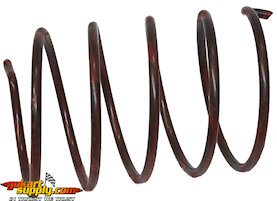 | ||||||||||||||||
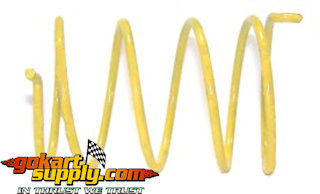 | ||||||||||||||||
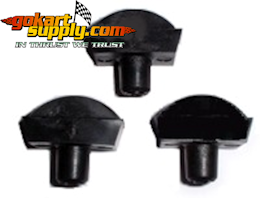 | ||||||||||||||||
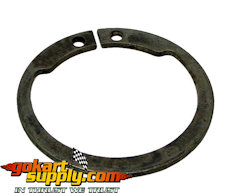 | ||||||||||||||||
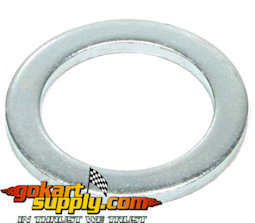 | ||||||||||||
| 40 Series Clutch Engagement Chart | ||
|---|---|---|
| 203015A Parts | 203043A | 203040A |
| Roller Weights |
Yellow Springs |
Red Springs |
| *Heavy 203648A | 1600 RPM | 2000 RPM |
| Medium 203649A | 2200 RPM | 2600 RPM |
| Lightest 203650A | 2400 RPM | 3100 RPM |
| *STANDARD CLUTCH SET UP | ||
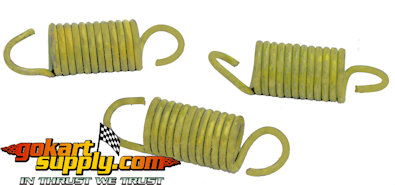 | ||||||||||||||||
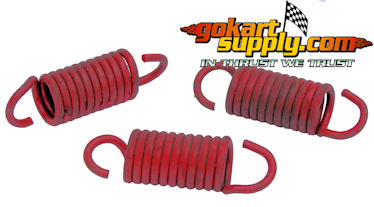 | ||||||||||||||||
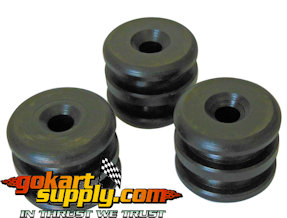 | ||||||||||||||||||||
 | ||||||||||||||||
 | ||||||||||||||||
Factory Authorized Distributor
|
|
Page Last Updated: 04/26/2024
© 1997-2024 Go Kart Supply, Inc